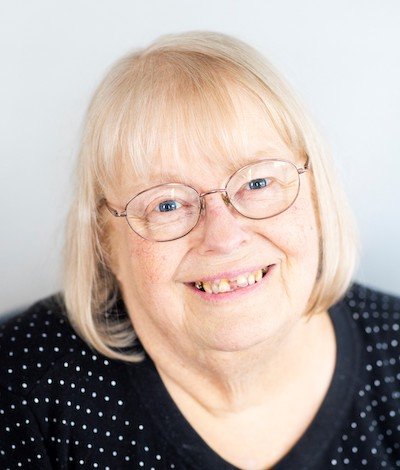

An important memory I personally have is of my mother. In particular I remember the day she looked at me and said, “And who might you be?” “Don’t react,” I tell myself. She had no clue her daughter was standing before her.
I felt I suffered a loss. A huge loss actually. Probably life-changing. So many memories, just gone. Birthdays, holidays, surviving scary times together. Words of encouragement, guidance, jokes we shared, everything now an empty void. Similar, I would imagine, to finding out everything you owned has been lost in a fire, maybe worse, I don’t know. Slipping away, where does it all end?
Memory cells
We are taught that our thinking process is done in the brain. However, there is a lot of research indicating memory does not just happen there. In fact, it was discovered that 60-65% of heart cells are neuron cells. It now is more accurate to say memories are inclusively stored in the heart, the brain, as well as other major organs, changing our traditional understanding of how memory works.
Heart/memory research began due to the events that were taking place in the lives of heart transplant patients. Many have reported a change in their own memories. Vividly and with great detail they are able to recall times and events that never happened. Where were these memories coming from? They were really those of their organ donor.
Carrying the memory of other people
For example, a once avid health food advocate began craving beer and chicken nuggets after their heart transplant. Other cases report changes in feelings. For instance, a gentleman who never exhibited romantic behaviors suddenly began writing love poems to his wife. Then there’s the young guy who did a complete turnaround. Losing his fear of heights, he now thoroughly enjoys skydiving.
Probably the most astounding transplant case of all, however, comes from Sandeep Joshi. He says, “An eight y/o girl received the heart of a murdered ten year-old girl,. She began having recurring, vivid nightmares about the murder. Her mother arranged a consultation with a psychiatrist. After several sessions it was concluded she was witnessing actual physical incidents. They decided to call the police. They used the detailed descriptions of the murder given by the little girl to find and convict the man in question.”
Amazing stories about memory, but why do they matter?
This is an excellent way to illustrate just how little we understand storing and retrieval of memory. Do we, for instance, store a memory in multiple areas simultaneously? Heart, brain, lungs maybe? Is it possible every organ that has neurons fluidly interact with each other, keeping that memory alive? Or when one avenue runs into problems maybe other areas, once on standby, now kick in?
We soundly can recognize “normal” recall. Common patterns of interaction flow back and forth between two familiar people. You know, for instance, the depth of significance when they say something like “Weeeeeell…” Maybe between you two it’s a shortcut to saying, “I’m going to disagree with you here. Don’t be mad. Let me give you my reasons first.”
If a stranger, on the other hand, said it you would have to wait to see just where they were going. Are they perhaps segueing into hinting they “gotta run?” Perhaps they were about to expose a secret they knew. It could even be their way to just radically change the subject. No “chemical history” to guide your judgment.
Assumptions by logic
But with a loved one, you are used to their patterns. And when those patterns are interrupted by something like dementia a logical assumption would be they no longer recognize who you are. After all, the very word dementia automatically triggers the fact it’s a memory disorder disease.
Furthermore, our senses habitually rely on many recognizable patterns in others too. It happens automatically, somewhat like breathing. In a millisecond, for example we know if the loved one discerned who we are or not. That knowledge brings with it a synonymous understanding that there is a value they had place on us that we in turn value. incorporating into our “story of us.” We can instantly recognize other nuances too. For instance, just the intonation in their response can tell us more about that moment than their very own words can sometimes.
All this happens because we are used to looking at memory and recognition from one specific angle. We are looking at how it functions in a healthy brain. And now dementia forces our hand. We have to change our perspective. There is more to memory than what we have been taught.
Dementia changes the memory game plan
For the loved one nothing is perceived to be different even though they are losing cognitive abilities. They have subtly segued from hippocampus memory to chemically-induced memory. Again they are “remembering” exactly the same way as when they were infants. This time however, their caregiver is not pre-appointed. This time it’s their task to make sure attachment to a primary caregiver happens. Doing so ensures ensures not only survival, but quality of life as well.
We, on the other hand, fearfully assume this leaves them with no thinking process at all. Not true. Information is first collected from the senses. This information triggers the brain to release a specific pattern of chemicals. In turn these chemicals recreate the exact same emotions and sensations as was first experienced. They feel the same depth of love as they did before the onset of dementia. They do know you,
The difference between the two forms of memory is elemental. Chemically-induced memory is less detailed. Caregiver, food, animal. Each carry their own specific emotional responses. What’s missing is their labels. You are my daughter. I hate Brussels sprouts. The horse ran fast.
Upon seeing you the loved one may no longer be able to say, “You’re my firstborn son.” Yet all the memories shared between you throughout the years are chemically kept alive. In every sensory way their love for you and who you are to them remains.
Windows of opportunity
Finally I want to address the fact you will find moments where all their memories suddenly reemerge. They know who you are. Often they reflect the fact they “know what’s going on” too. Briefly struggling to maintain the moment, they may physically grab on to you.
It’s in these moments you need to quickly and succinctly:
- Let them know they are safe.
- Remind them they are okay.
- ALL their needs are met.
- They are loved.
Psychosocial encouragement
- Pay attention to your intonations, facial expressions, and body language. The loved one reads them and applies what they say to how their life is going. Reflect calm, nurturing, and caring behaviors.
- Listen to feelings as validating them will strengthen their psychosocial well-being.
- Give them activity choices throughout their day. “Would you like to work this puzzle with me or arrange these flowers?”
- Caress them in ways they are comfortable with. A hug, holding their hands, putting your arm on their shoulders, for example.