
Family members often express sorrow in seeing “so much” decline in their loved one’s daily lives. It appears to be such a far cry from the life the loved one once experienced. But those are their perceptions, not the loved one’s. Truth is we’re talking about two different realities. Reality is discussed in greater detail in “Opposing Reality – Part I” and “Opposing Reality – Part II.” You may find it interesting.
A family member sees the loved one as no longer being able to knit, cook, drive, enjoy their coin collection. It’s just too difficult to build miniature ship models, tinker with cars, design skyscrapers, let alone mow the lawn anymore. On and on the list goes leaving the family member with vast feelings of great dismay.
In fact, the family member mostly sees the loved one’s world closing in on them. Not much to it anymore … and getting worse. Other than being told when to eat, use the bathroom, and go to bed, their life has become dreadfully stunted. “Merely existing.” But again, this is the view from the family member’s perception.
Perception is from the wrong side of reality; yours, not theirs
This isn’t what the loved one experiences. Because it’s not what they perceive at all. Contrarily, they are experiencing very satisfying, complete days. They’re day is stuffed with action-packed adventures, amazing accomplishments, and rich socialization. By nightfall the loved one can actually feel quite pleased over all their “perceived accomplishments.”
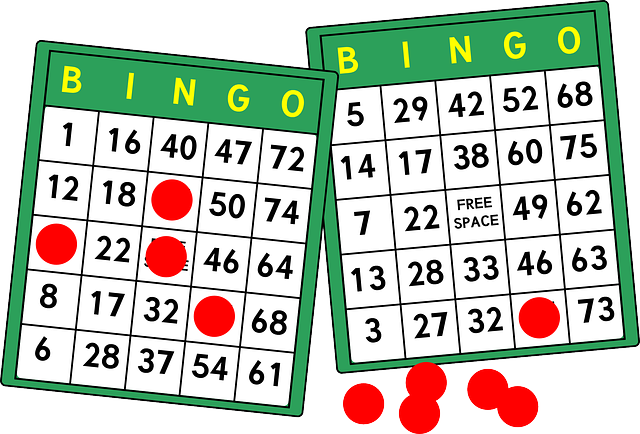
I like using Bingo as an example to better explain the concept of perception. I think it’s safe to say everyone has enjoyed playing it one time or another. Plus we all know and understand the rules of the game.
For a loved one to feel accomplished in playing Bingo, those rules have to be slightly tweaked. Even so, their brain perceives they are fully playing the game. That is their reality, their perception. Our reality says too many of the specifics are missing. They’re not really playing Bingo at all.
The loved one’s quality of life doesn’t come from your perceptions, it comes from theirs. Truth is the loved one’s brain has created a “chemical memory” of Bingo. We all have chemical memories. This isn’t specific to those with dementia. Nor is it specific to playing Bingo.
Every time they play or even thinks of playing, the brain sends out all those “feel good” chemicals. This leaves the loved one feeling fully satisfied in having played the game. Their perceptions are induced by the chemical memories. When the brain concludes that you, a Bingo lover, are going to be playing Bingo, it immediately sends out those “feel good” chemicals. You’re already playing the game emotionally before it even starts!
Living in the perceived moment
Playing Bingo with someone with dementia is pretty much played the same way they always have played. Just the more difficult tasks are eliminated; unaware to the player’s discernment. How the rules change depends on the individual needs of the loved one.
Their chemical memory might let them be the winner every time they play now. They decide to shout out, “BINGO!” and voila! They just won a prize! But somewhere in their brain a memory of calling out “BINGO!” happily came alive all over again. And all those wonderful feelings right along with it. Quality of life just doesn’t get better than that.
Advantage of chemical memories
Ironically, 60 seconds after Bingo ends many will have no recollection they just played. So why play if they turn around and forget? It’s because of the chemicals the brain released.
All those “feel good” chemicals will bring renewed health to their day, physically and mentally. For the next few hours they will be feeling those delightful benefits. And the rest of their life will benefit from it.
Perceptions of life
We do activities with an infant. This is because those activities contribute to their overall wellbeing. Do they remember what they did? No, not at that age. But they need more than just diaper changes and feedings. They need to intuitively know you love them That in turns allows them to feel a sense of self-worth and value. All these things strengthen and raise their quality of life.
Same is true for the loved one and for the same reasons. Those “feel good” chemicals create a perceived calm in their world, an enrichment. It offers them the perceived assurance they are still in control of their life. They’re still doing all the things they want, need and like to do. In turn, they can function better.
You too have chemical memories
Think about going to movies with a friend. You just saw the most riveting movie ever. But when you share your enthusiasm with your friend, they look at you like you’re crazy. “What theater were you just in?” From their point of view this movie was a major sleeper.
There’s no altered reality here, just completely different perceptions. You don’t need to settle the difference by coming to a mutual agreement one way or the other. Both of you simply have different perceptions. The The chemical memories are induced by what your physical senses and your previous experiences are telling the brain. Naturally it is going to be different for each of you.
Perceptions in all things
In short, everything you do and every experience you have creates chemical memories. That’s why everyone’s perceptions are different one from another. Changing your understanding to better recognize the joys the loved one experiences will better ensure their psychosocial needs will be met to the fullest. You know the loved one is experiencing quality of life once medical, physical, and psychosocial needs are met,
Psychosocial encouragement
- Validate the loved one’s feelings
- Let them know they are loved. “You are VERY important to me.”
- Give them chores so they feel successful.
- Maintain their sense of autonomy by offering options. “Would you like to red a book or sing some songs?”