
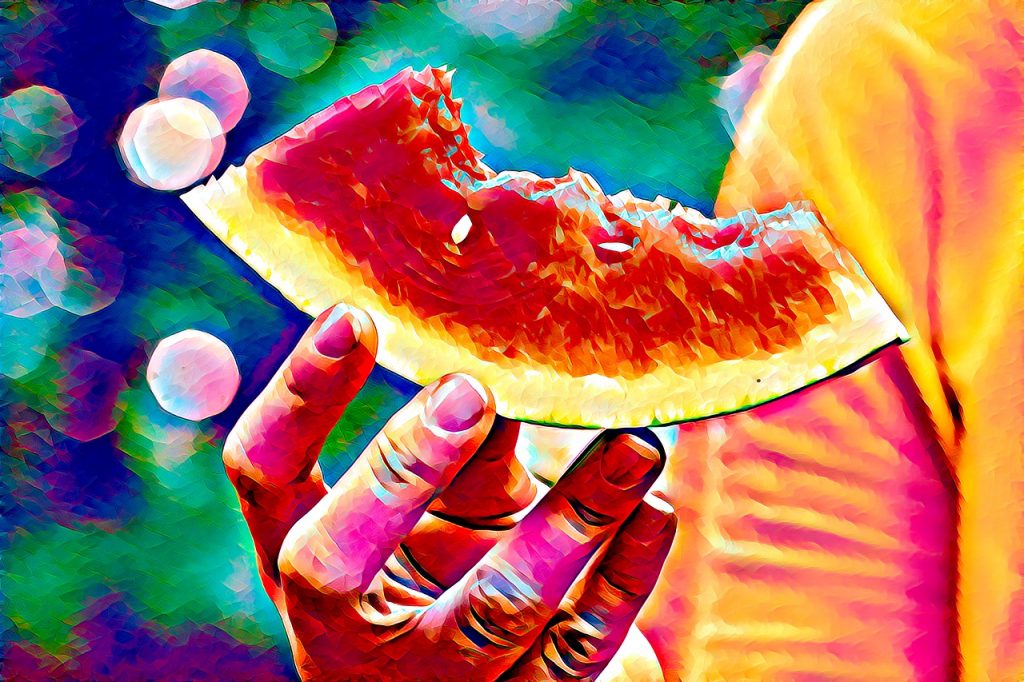
As a loved one progresses through Stage II they sometimes develop a preference for finger foods. That is to say they no longer attempt to use utensils while eating. Even when confronted with soups and sauces.
Actually their choice makes sense when you realize they are now finding utensils too confusing to use. How do they use them? What do they do? Problem-solving skills kick in at this cognitive level and suddenly their hand becomes a tool. Asking for help or guidance is beyond their reach a lot of the time now.
To save face, eliminating the potential for shame, you can simply switch the menu around a little. There are so many delicious and tempting options for finger foods. Eating healthy, even minus silverware, no longer needs to be a problem.
If the loved one is a picky, slow eater who often gets bored at mealtimes, you can later serve a nutritional protein drink to round out their meal. Also, popsicles are a great treat that this generation enjoys and they help keep them hydrated. As I’m sure you already figured out, popsicles can be made from juices of all flavors and combinations.
Jessica Gavin shares many of her recipes, some using yogurt. Other online searches will give you many great ideas, leaving the loved one wanting more.
Assisting with eating process
If your loved one has particular non-finger food favorites, you can also model the behavior they need. Helpful too is to only put out the utensil(s) they will need to enjoyably eat their meal rather the traditional fork(s), knife, and spoon(s) settings. The more simplistic the place setting, the easier it is to evoke a natural response to eating.
Following is a short “get-you-started” idea list of finger foods I simply Googled. You can add even more ideas if you too go online. Taste, for example, has 100 finger food recipes that look totally delicious and Pinterest lists 500 appetizers and snacks. That’s only two websites. There’s oh so much more out there!
Finger Foods
- Calzones Pancakes
- Meatballs Banana Bread
- Hard Boiled Eggs Fish Sticks
- Nachos Chicken Nuggets
- Fruit Quiches
- Pigs in a Blanket Muffins
- Cauliflower/broccoli Florets Cheesy Popcorn
- Kale Chips Corn Dogs
- Pita Bread Sandwich Quesadillas
- Deviled Eggs Marshmallows
- Grilled Cheese Sandwich Baby Potatoes w/sour cream and Smoked Salmon
- Lamb Chops Sausages Cucumbers Pizza
- Granola Bars Nuts Cheese and Crackers Lunch Meats
- Popsicles Stuffed Celery
- Raisins Cheese Sticks
- Protein Bar Turkey Pot Stickers
Simultaneous to desiring finger foods, you may find your loved one developing quite a sweet tooth. This causes them to go to ANY length (including “stealing” from others) to fill up on sugary delights. For many this comes as quite a surprise. “My loved one never had a sweet tooth!” they contend. Let’s find out what’s going on.
Theory one
According to Fiona MacDonald, in her Infowars online report, Taste Comes From Brain, Not Tongue, “Researchers in the US have turned taste on and off in mice simply by activating and silencing certain brain cells. This demonstrates for the first time that taste is hardwired in the brain, and not dictated by our taste buds, flipping our previous understanding of how taste works on its head.”
Ms. MacDonald goes on to say, “But the new study shows that although our tongues do detect the presence of certain chemicals, it’s our brains that perceive flavor.” She further cites Charles Zukor, lead researcher from Columbia University Medical Center as saying, “Taste, the way you and I think of it, is ultimately in the brain… Dedicated taste receptors in the tongue detect sweet or bitter and so on but it’s the brain that affords meaning to these chemicals.”
Theory two
A second theory suggests a lack of nurturing could be the cause for this sudden sweet tooth adventure. “When we eat sugar, the brain releases the same chemicals as when we are lovingly nurtured by someone we trust and love. The craving for sweets derives itself from that perceived inadequacy.
In the article, “The Human Sweet Tooth,” Mr. Reed and Ms. McDaniel state, “Behaviors toward sweets may also be formed by our psychological need for the rewarding properties of sugars. Sweets may alleviate depression …. Because sweet taste releases opiates into the blood. The pacification provided by sugar and sweets has been demonstrated to increase the liking of sweets and may also translate into a behavioral tendency to consume more sweets. Overall, sugar is consumed because of its pleasant taste, ease of digestion, and positive effect on mood, and these three reasons are not mutually exclusive; each probably makes a contribution to overall behavior.”
Can it be that sudden desire for sugary delights may just be our brains way of searching for “nurturement,” not nutriment? How much greater that craving for sweets may become in a brain that is itself in a constant state of dementia-induced change, for example. Add to that the lack of proper dementia-wise nurturing and validation, suddenly the desire for sugary sweets really begins to make some sense.
Psychosocial encouragement
- Give them choices rather than orders. “Do you want to use a fork or a spoon to eat that?”
- Tell the loved one you love them, throughout their day, over and over again.
- Hug the loved one or hold their hands.
- Sing “You are My Sunshine” to the loved one while standing face-to-face.
- Hold their hands and move them to the rhythm of a song that may be playing.